by Véronique Cubilié-Ratio, conference interpreter and translator from English/Spanish into French, specialised in international development, marketing and advocacy for disability/neurodivergence rights.
ITI Members of the French Network can apply for a training grant to attend a CPD event. In March 2026, Véronique Cubilié-Ratio attended a 2-day workshop organised by the ITI LRG (London Regional Group) on “Note-taking for consecutive interpreting”. In this article she gives us a flavour of what the intensive course involved.
For interpreters, particularly conference interpreters, Andy Gillies needs no introduction. Andy is nothing short of a celebrity, having published several books and articles on consecutive interpreting and note-taking. By his own admission, he rarely visits the UK these days, so when the opportunity to attend his workshop at Westminster University presented itself via the ITI LRG, I jumped at the opportunity.
Most of my interpreting work tends to be simultaneous. I had wanted to revisit and enhance my note-taking techniques for consecutive interpreting for quite some time, so I am extremely grateful to the ITI French Network for supporting my CPD efforts. The training grant was put to good use and the masterclass did not disappoint!
Andy revisited the fundamentals of note-taking for consecutive interpreting, from identifying ideas to positioning on the page, to using margins. We practised sketching a visual skeleton of the speech. Andy encouraged us to focus on listening attentively and analysing the message, rather than frantically jolting down notes on our notepads. He stressed the importance of a consistent and structured layout to facilitate recall. Progressively, he invited us to step out of our comfort zone and trust the process and ourselves by noting less.
We discussed the use of symbols, and the importance of making them personal and consistent. Symbols are by no means a must in note-taking, but when used wisely, they can be a great way to save time/space, and they can be expanded organically to convey different meanings/concepts. We also practised highlighting markers of intonation and reading back from our notes as if they were stage directions.
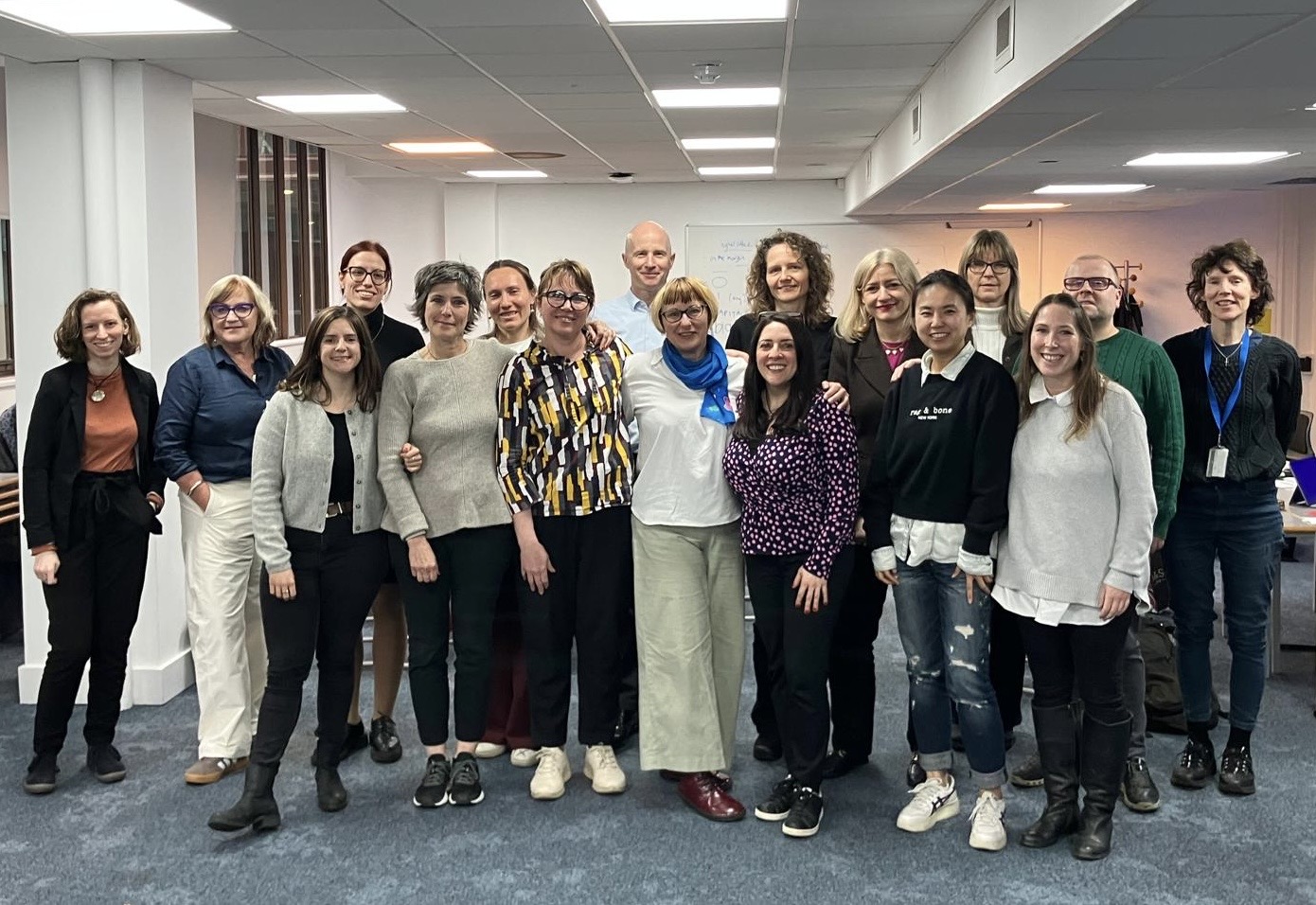
I particularly enjoyed the format of the workshop, which lent itself to open discussions and lots of interactions among peers. With only 16 of us attending – all hailing from far and wide (California, Argentina, Germany, different parts of the UK) – the atmosphere was convivial and welcoming. Our combined expertise and rich, varied professional backgrounds meant we all benefitted from insightful perspectives.
Having been a teacher in another life, Andy is clearly in his element. He’s approachable and highly skilled at facilitating communication. His style of delivery is participatory, which makes the session engaging. He always illustrates his point with plenty of visual/concrete examples, referencing publications and authors in the field. The sessions were well structured, with the right blend of theory, demonstrations and practical exercises in pairs. Andy took the time to review our notes, give some feedback and make suggestions. He encouraged us to compare our notes and learn from one another. This hands-on approach enabled us to assimilate information quickly.
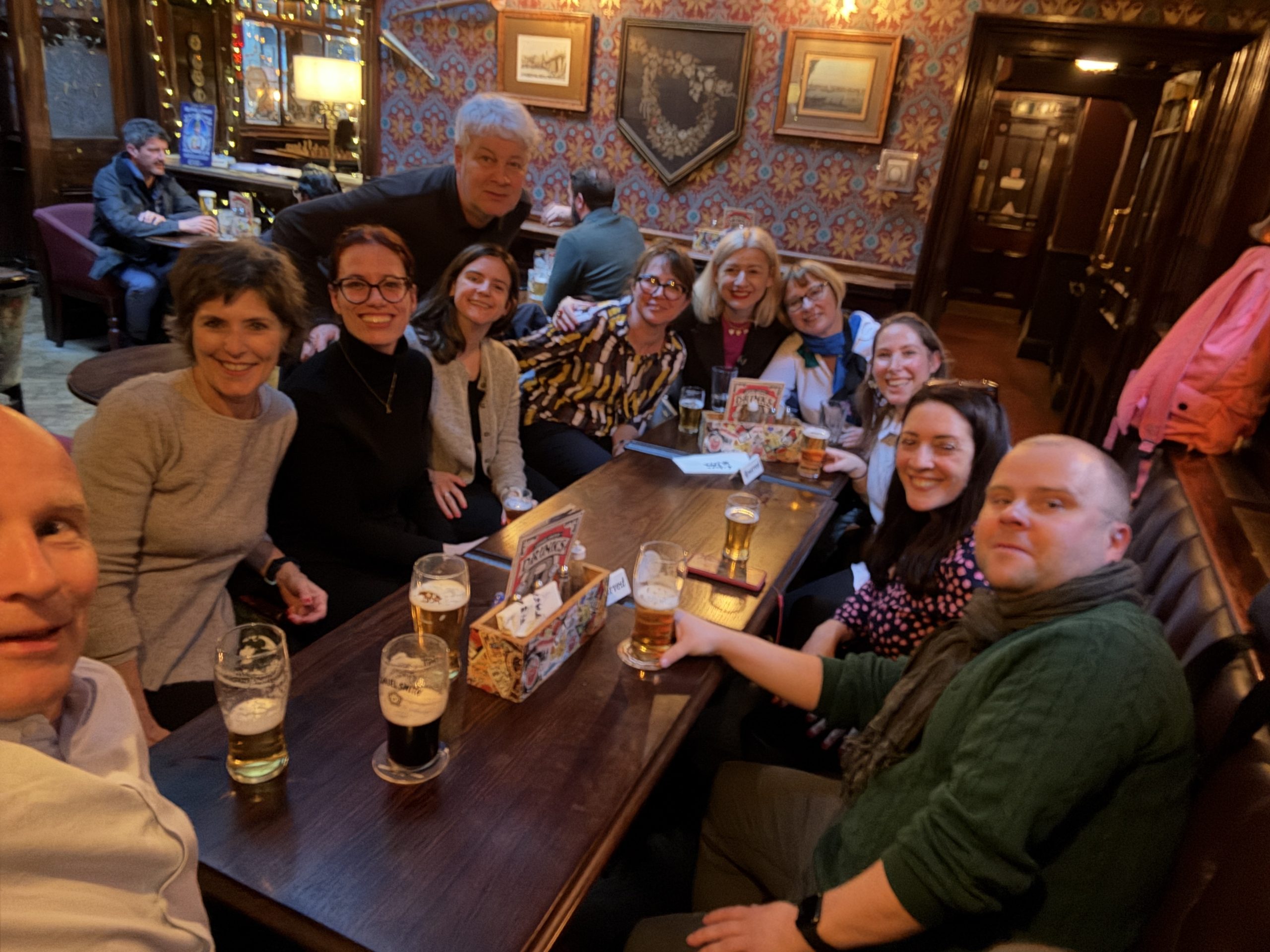
Beside valuable targeted CPD, this workshop offered me the chance to meet great colleagues (some old friends, and some new) and to socialise over a couple of drinks. You really cannot beat this fantastic feeling of deep human connection after sharing two days of intense learning side by side. I left feeling energised and inspired (and with a comprehensive list of resources/books to read – thank you Andy! – to keep me going). Practice makes perfect, as they say…